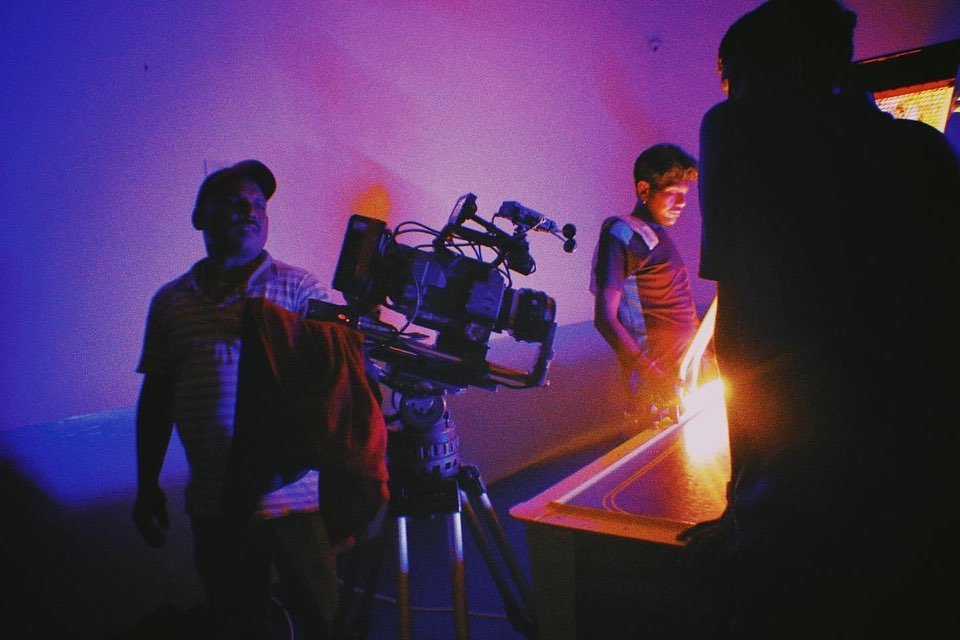
Cinematography is the backbone of filmmaking, and lighting plays a crucial role in shaping the mood, emotions, and visual appeal of a story. A well-lit scene enhances storytelling, while poor lighting can break immersion. Understanding lighting techniques allows filmmakers to create impactful visuals that engage audiences.
The Power of Lighting in Cinematography
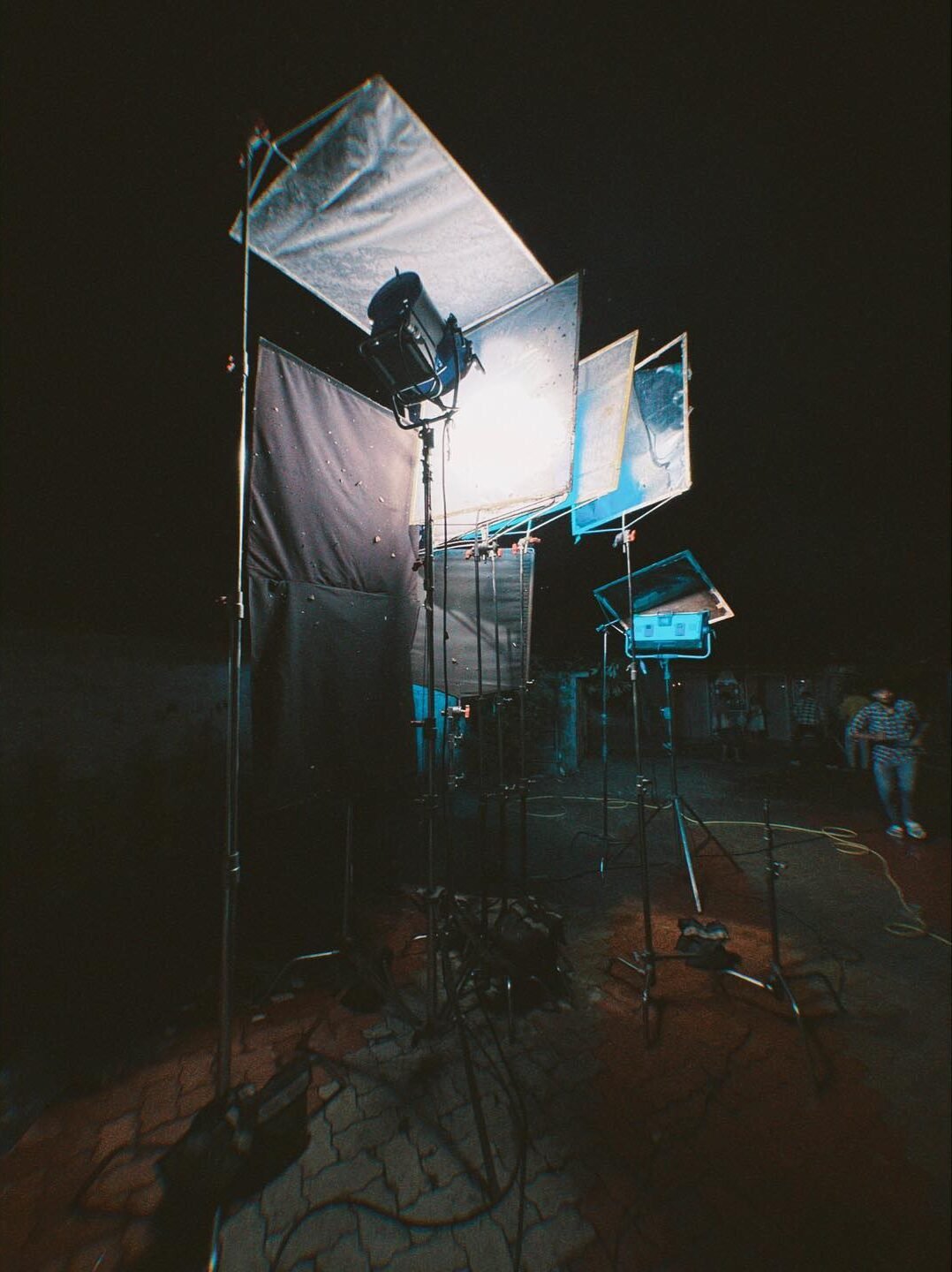
Lighting in filmmaking goes beyond mere illumination—it guides the audience’s attention, builds atmosphere, and conveys emotions. Different lighting techniques are used to create specific moods:
High-Key Lighting – Bright and evenly lit, often seen in comedies and commercials.
Low-Key Lighting – Dark tones and shadows, used in thrillers and horror films.
Natural Lighting – Sunlight or available light sources create a realistic effect.
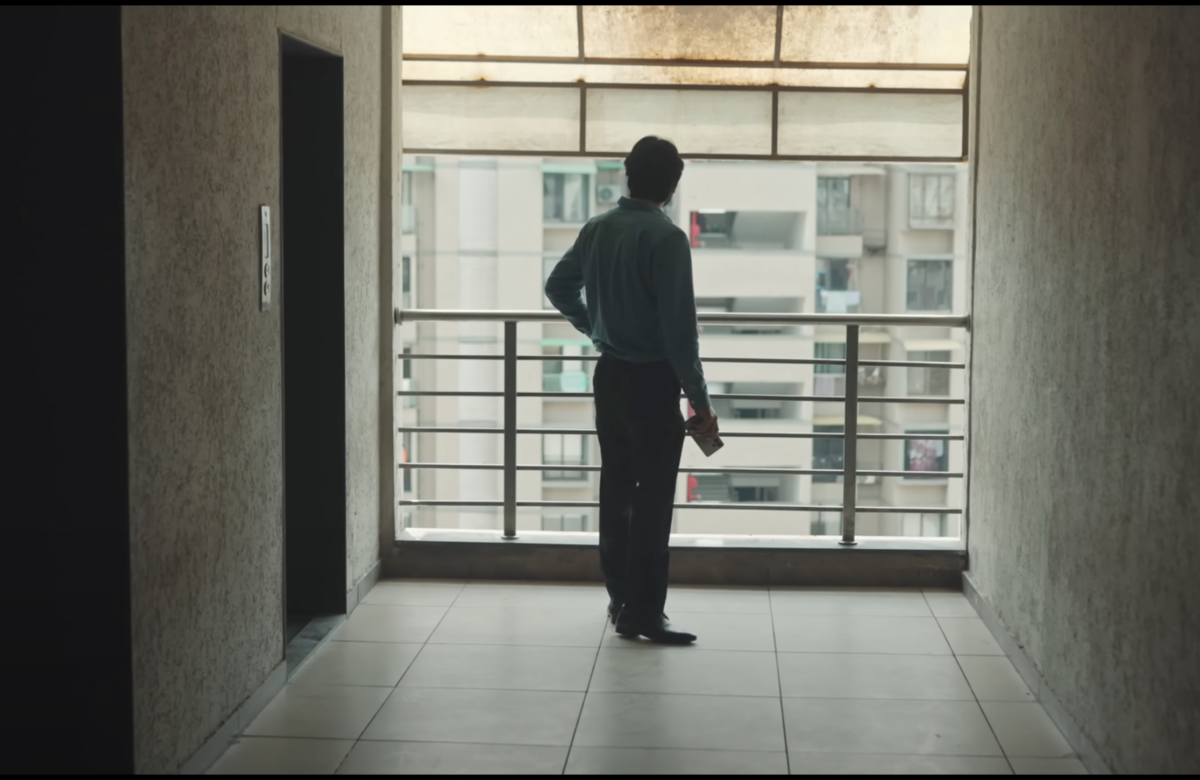
Backlighting – Creates silhouettes and depth for dramatic shots.
How Lighting Affects Storytelling
Emotional Impact: Dimly lit rooms evoke fear, while warm tones create nostalgia.
Character Definition: Harsh lighting makes villains look menacing, while soft lighting makes heroes relatable.
Time & Space: Different lighting styles help establish time periods or futuristic settings.
Mastering lighting techniques is essential for every filmmaker. By understanding how light interacts with a scene, cinematographers craft visually compelling stories that leave a lasting impact.